
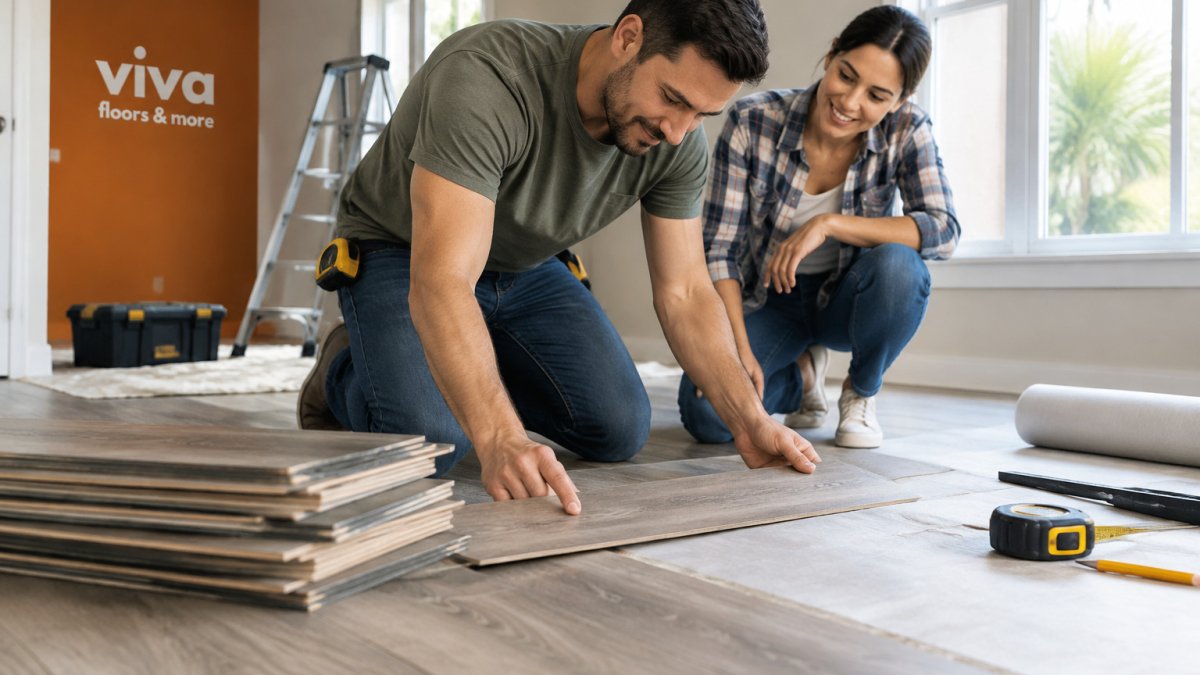
Last Updated: November 7, 2026
Quick Summary
An affordable home renovation in 2026 comes from small, planned upgrades rather than gutting the house. Painting walls and cabinets, updating lighting and hardware, replacing high-traffic flooring, modernizing key kitchen and bath surfaces, and refreshing the front entry all deliver strong results for the money.
- Rank every project as must do, should do, or nice to have before shopping for finishes.
- Set aside a contingency fund of 10 to 20 percent for hidden problems like subfloor damage.
- Paint walls and cabinets after proper prep, and choose neutral tones for resale appeal.
- Plan high-traffic flooring for roughly $2,000 to $7,000 installed for a 400 to 800 square foot zone.
- Upgrade your front door and entry to improve curb appeal at relatively low cost.
Table of Contents
- Five Affordable Home Renovation Ideas for 2026
- Setting a Realistic Renovation Budget and Planning the Project
- 1. Refresh Interior Walls and Cabinets with Paint
- 2. Upgrade Lighting and Hardware for an Instant Lift
- 3. Replace Flooring in High-Traffic Areas
- 4. Modernize Kitchens and Bathrooms Selectively
- 5. Improve Curb Appeal with a Front Door and Entry Refresh
- Booking Your Flooring Consultation at Viva Floors & More
- Frequently Asked Questions
Five Affordable Home Renovation Ideas for 2026
If you want an affordable home renovation in 2026, you do not need to tear out the whole house. Small, planned upgrades can refresh a room and raise its appeal without draining your savings. This guide from Viva Floors & More walks through five projects that give strong results for the money, plus a simple way to set your budget before you start.
Most renovation money goes wrong at the start. People pick finishes they love, then discover the cost after the work begins. Planning first keeps the project under control. Viva Floors & More has served Rio Grande Valley homeowners since 1992, and the same approach works whether you are updating one room or an entire home.
Ask yourself one question before you buy anything: which change will you notice every single day? Start there.
Setting a Realistic Renovation Budget and Planning the Project
A workable budget starts with a clear list of what you want to change and why. Write it down. Then sort each item into one of three groups: must do, should do, and nice to have. Homeowners who rank projects before shopping for finishes tend to stay closer to their target number than those who pick materials first.
Build a project-by-project cost range
Instead of one lump sum, estimate each project as a low-to-high range. A practical method is to price three inputs separately: materials, labor, and disposal or delivery. Pricing for each project depends on quantity, materials, labor, delivery, and existing conditions. Request a current written quote from a contractor or from Viva Floors & More before you commit to a budget.
Adjust for region, home size, and existing conditions
National averages can mislead. Labor rates in dense metro areas often run higher than in smaller markets, and older homes frequently hide subfloor damage, outdated wiring, or moisture problems that add cost once walls open. A larger home means more square footage and more material. Ask each contractor to quote your specific address and to list assumptions, so you can compare bids fairly.
Compare value on your own terms
“Value” means different things to different homeowners. Decide up front whether you are optimizing for resale appeal, daily comfort, durability, or energy savings, then compare projects on that basis. A paint refresh may win on daily comfort and cost, while flooring may win on durability in a busy household. Avoid treating any project as a guaranteed return; treat it as a trade-off you can defend.
Hold a contingency and sequence the work
Set aside a contingency fund, often in the range of 10 to 20 percent of the project total. Hidden problems like subfloor damage or old wiring are common in older homes. Plan for them now so they do not stall the project later.
Timing matters too. Flooring that goes in during humid weather can behave differently, so check with your installer about moisture readiness before you schedule. Learn how humidity affects flooring installation timelines and the readiness checks that help prevent warping.
- List every project and rank it by priority
- Get at least two written quotes for each big item
- Keep a contingency fund for surprises
- Schedule work in a logical order: walls, then floors, then finishing touches
Watch out: a quote that omits removal, disposal, or trim can look cheaper than it really is, ask for an itemized bid so you compare like with like.
The article lays out a few key planning figures to keep in mind as you set your budget.
| Planning item | Value | Note |
|---|---|---|
| Contingency fund | 10 to 20 percent | Covers hidden problems like subfloor damage or old wiring |
| Priority groups | 3 | Must do, should do, and nice to have |
| Quotes per big item | At least 2 | Get written quotes before committing |
| Cost inputs per project | 3 | Materials, labor, and disposal or delivery |
1. Refresh Interior Walls and Cabinets with Paint
Paint is one of the most affordable ways to change how a room feels. A fresh coat on walls and cabinets can make a kitchen look newer for a modest cost.
A common mistake is skipping the prep work. Clean surfaces, fill holes, and sand glossy cabinet doors lightly so the new paint bonds well. Good prep matters more than the brand of paint you buy.
Choose a neutral palette for resale appeal. Warm whites and soft greige tones work with most flooring and countertop styles. Test sample swatches on the wall and check them in both daylight and evening light before you commit.
Painting cabinets is a DIY-friendly project if you have a few free weekends. It also avoids the cost of replacing cabinet boxes.
2. Upgrade Lighting and Hardware for an Instant Lift
Lighting changes a room more than most people expect. Swap harsh white bulbs for warm LED bulbs in the 2700K to 3000K range to make spaces feel inviting.
Hardware is another quick win. New cabinet pulls, drawer knobs, and faucet finishes update the look of a kitchen or bath in an afternoon. Keep finishes consistent across the room, such as matching brushed brass or matte black.
Lighting and hardware are also low-risk projects. If a fixture does not suit the room, you can replace it without touching the flooring or walls.
3. Replace Flooring in High-Traffic Areas
Flooring wears fastest in entryways, hallways, and living areas. Replacing it in these zones gives you the biggest visual and practical return. You do not need to replace every floor in the house at once.
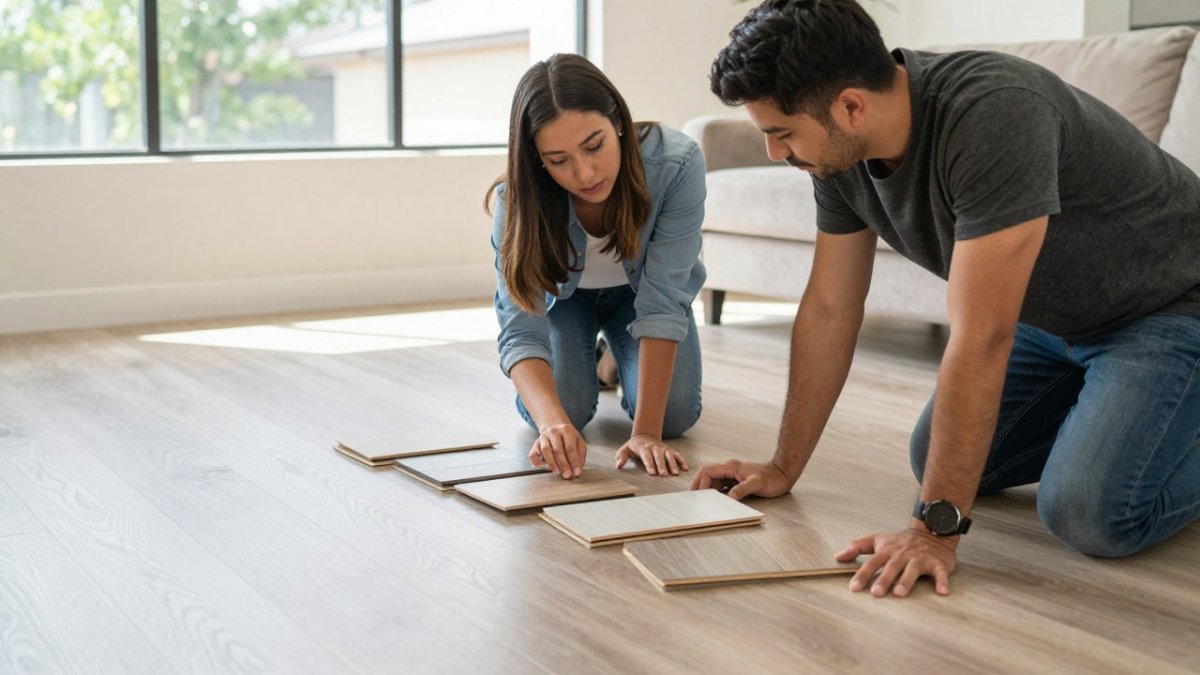
Luxury vinyl plank and laminate are popular choices for busy homes. Ask about stain-resistant and low-maintenance options if you have pets or children.
What it costs
For a typical 400 to 800 square foot high-traffic zone, plan on roughly $2,000 to $7,000 installed for luxury vinyl plank or laminate, depending on material grade and regional labor. DIY material cost often runs $800 to $2,500, before tools and disposal. Add $200 to $600 if the old floor must be removed and hauled away, and more if the subfloor needs repair.
DIY versus professional
Luxury vinyl plank is one of the more DIY-friendly floors: most products click together, and a basic install needs a utility knife, spacers, a tapping block, a pull bar, and a moisture barrier. Expect a weekend or two for a handy homeowner on a single room. Laminate follows a similar pattern. The job gets harder when the subfloor is uneven, when the old floor is glued down, or when the room has many doorways and angles.
Hiring a professional makes sense when the subfloor needs leveling, when moisture is a concern, or when the space is large and open. Professional installation also typically includes removal and disposal, which many DIYers underestimate.
Check moisture and subfloor first
Flooring failures usually start under the surface. Test for moisture, especially over concrete slabs, and confirm the subfloor is flat and sound before buying material. Ask your installer about moisture readiness and acclimation time for the product you choose.
Watch out: flooring samples can look different under store lights than they do at home. Bring a sample into the room where it will go and check it in your normal lighting before you buy.
Our team can help you match flooring to the room, your budget, and your lifestyle. Request a consultation to see what fits your home.
Flooring cost ranges for a 400 to 800 square foot zone
4. Modernize Kitchens and Bathrooms Selectively
You do not have to gut a kitchen or bathroom to modernize it. Focus on the high-impact surfaces: countertops, the backsplash, and the vanity or faucet. These pieces set the tone for the whole room.
Marble, granite, and quartz each suit different households, so weigh upkeep and durability against your daily habits before choosing. Compare marble countertop upkeep, sealing, and costs to see whether marble suits your kitchen.
Before you commit to any countertop material, compare the full cost. See how to estimate the cost of installing granite countertops, including material, labor, and removal. Installation, removal of old counters, and edge profiles all add to the total. Ask for an itemized quote so you can compare options fairly.
- Replace the faucet and vanity hardware first
- Add a simple tile backsplash for a clean update
- Choose countertop materials based on upkeep, not just looks
5. Improve Curb Appeal with a Front Door and Entry Refresh
Your front door is the first thing visitors and buyers see. Replacing or repainting it is one of the most cost-effective ways to improve curb appeal. A bold color or a solid wood-look finish can make the entire house look cared for.
Add simple touches around the entry as well. Clean the walkway, replace old house numbers, and install a modern porch light. These small details cost little but change first impressions.
Pair the entry update with fresh landscaping, such as a few low-maintenance plants or new mulch. Curb appeal grows when the outside matches the improved interior.
Booking Your Flooring Consultation at Viva Floors & More
Planning a renovation is easier with expert help. Viva Floors & More is a family-owned flooring destination with showrooms in Pharr and Brownsville, serving homeowners, builders, and contractors since 1992. Our team can help you compare flooring options and build a realistic plan for your project.
You can also see our current promotions and financing offers before you schedule a visit. When you are ready to compare installers, learn how to choose expert flooring installation services so you know what to look for.
Request an estimate today and take the guesswork out of your next renovation.
Frequently Asked Questions
What are the key home renovation trends for 2026?
Popular 2026 trends favor warm, natural materials, durable and low-maintenance surfaces, and updated lighting with warm LED bulbs. Homeowners are also choosing neutral paint palettes, refreshed kitchen cabinets instead of full replacements, and practical layouts for living and dining areas. Pairing a trend with a durable material, such as stain-resistant flooring, helps the update stay attractive for years. Viva Floors & More can help you compare current options; contact the showroom or request an estimate for current pricing, since costs depend on quantity, delivery, and project scope.
What are the easiest home renovations to do yourself?
Painting walls, swapping cabinet hardware, installing new light fixtures or LED bulbs, and replacing vinyl plank flooring in a single room are among the more approachable projects for DIY enthusiasts. Plan for preparation time, particularly for surface cleaning, patching, and subfloor checks, which often take longer than the finish work itself. Electrical and plumbing changes generally call for a licensed professional. Viva Floors & More offers expert consultation for DIYers who want guidance on materials and installation before starting.
How can I make an old house look modern on a budget?
Start with the features people notice first: fresh neutral paint, updated lighting, new cabinet hardware, and consistent flooring across connected rooms. Removing dated window treatments and decluttering also makes spaces feel current at little cost. Focus spending on one or two high-impact areas rather than renovating everything at once. Stain-resistant and low-maintenance flooring options can give an older home a clean, modern look while holding up to daily wear.
Which renovation projects are not worth the money?
Highly personalized upgrades, very expensive custom finishes, and changes that clash with the neighborhood or home style often return little value when you sell. Over-improving a home relative to its neighbors is another common issue. Before committing, compare the project cost with local resale expectations and prioritize updates buyers and residents use daily. Viva Floors & More can help you choose durable, budget-conscious materials; request an estimate for current pricing tailored to your project.
